


02/28/2026 Haunted Locations: The Peyton Randolph House in Williamsburg, Virginia
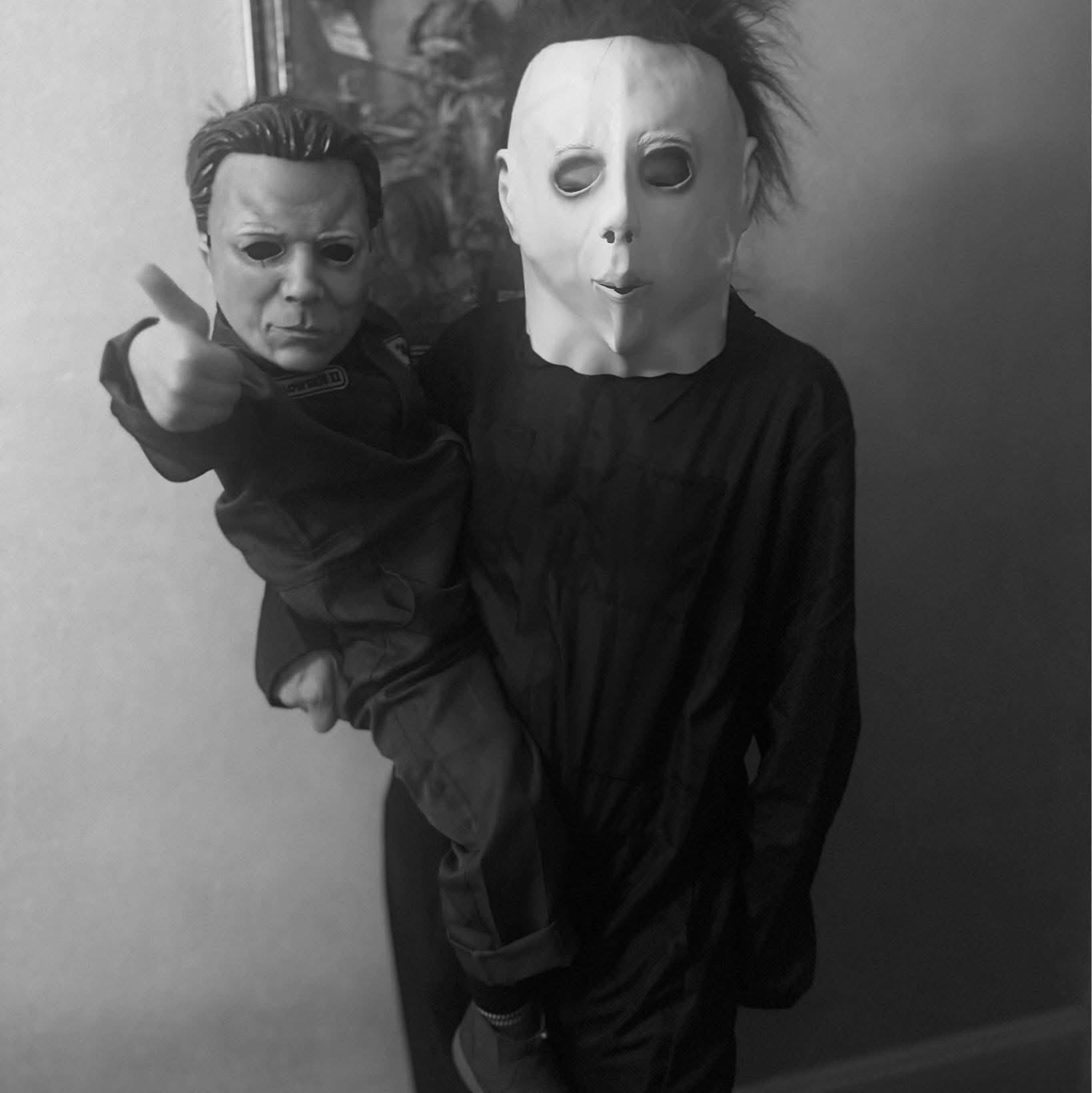
Happy Saturday! It’s Scares That Cares weekend in Williamsburg, VA, and it’s also the last Haunted Location (for now), so it only felt right to choose a location where a handful of us in the horror community currently are! Enjoy, and I look forward to bringing you more Haunted Locations and Objects again in the future!
Peyton Randolph House

The Peyton Randolph House was built around 1715 and is one of the oldest surviving homes in Williamsburg, Virginia.
Often called one of the most haunted houses in America, this colonial home carries centuries of political ambition, war, tragedy, and unresolved stories within its walls.
The earliest part of the house was built around 1715 by William Robertson, a clerk of the Governor’s Council. But its legacy really began in 1721 when Sir John Randolph, one of Virginia’s most influential legal figures, purchased the property.
Sir John served as Speaker of the House of Burgesses and Virginia’s Attorney General. He was the only Virginia colonist who was ever knighted, a rare honor that reflected his place in colonial society. After he died in 1737, the property eventually passed to his son, Peyton Randolph.
Peyton Randolph would go on to become the first President of the Continental Congress, presiding over early revolutionary discussions that shaped the course of American independence.
His home became a gathering place for influential figures of the era, including his cousin Thomas Jefferson.
The house stood at the center of revolution, both politically and socially.
While Peyton Randolph advocated for colonial rights, the house enslaved approximately 27 people.
Calls for independence echoed through rooms where enslaved men, women, and children worked daily.
Smallpox reportedly claimed several enslaved individuals while they lived on the property.
Some historians and paranormal enthusiasts believe that this tension of liberty for some and bondage for others plays a part in the heavy emotional weight that people feel still lingers in the house.
During the American Revolution, the Randolph home housed soldiers and served as a temporary hospital for those wounded. Detailed accounts describe injured men brought inside, blood soaking the wooden floors as doctors worked desperately to save lives.
Eight years before the war officially ended, Peyton Randolph suffered a stroke and died in 1775. His wife, Elizabeth, inherited the estate, and after she died in 1782, the property was sold.
But the tragedies were far from over.
The Peachy Family Tragedies:
The Peachy family took ownership of the house in the early 1800s, and their period there has often been marked by claims of unfortunate events.
William S. Peachy died around 1810, leaving Mary Monro Peachy to raise their children alone. According to local legend:
A young boy died after falling from a tree on the property.
A little girl fell from a second-story window.
Other children reportedly succumbed to illness.
Mary Monro Peachy is one of the most reported spirits said to wander the house, often described as a sorrowful female figure moving silently through hallways.
In 1824, French general Marquis de Lafayette returned to the United States for a celebratory tour and stayed in the home.
He later wrote that upon entering, he felt an unseen hand press against his shoulder, as if to stop him.
During his stay, he reported hearing unexplained voices at night that disturbed his sleep.
Whether it was exhaustion, imagination, or something more mysterious, his account remains one of the earliest recorded claims of paranormal activity in the house.
The home's troubles intensified during the American Civil War. It reportedly served as a Confederate field hospital, where wounded soldiers were treated, and many died.
Local stories describe amputations performed inside the home and blood seeping into the floorboards as described above. The exact number of deaths remains unclear, but the trauma associated with wartime hospitals was undeniably huge.
Some visitors claim to see soldiers in uniform or hear the faint sound of boots on the wooden floors.
The Peyton Randolph House is now widely known as one of the most haunted locations in Virginia.
Reported phenomena include:
Disembodied voices in empty rooms
Cold spots and sudden temperature drops
The sensation of being touched on the shoulder
Apparitions of a tall colonial man, believed by some to be Peyton Randolph
A grieving woman thought to be Mary Peachy
The laughter or footsteps of unseen children
The basement, in particular, carries a reputation for heavy, oppressive energy. Visitors have reported feeling ill, dizzy, or overwhelmed. Some paranormal stories describe darker, more extreme entities.
Even without the paranormal activity, the house carries centuries of intense emotional history.
So, tell me. Have you heard of this location before? Have you been there? Would you go? Let me know in the comments. And as always, if you do decide to visit here or any haunted location, respect the property, respect the owners, respect the residents... living or dead.
For more details about this story, how you can visit, and links to the shows, podcasts, documentaries, and resources used for this post can all be found below.
Sources:



La claridad de una página mejora mucho cuando cada cifra tiene una explicación. Dentro de una recopilación histórica pueden aparecer los números calientes al final de una sección dedicada a las frecuencias más observadas.
Geometry Dash is highly addictive; it feels incredibly satisfying, especially when you beat tough levels like Demon.